Coastal Projects: How Charred Wood Handles Salt Air
.webp&w=3840&q=75)
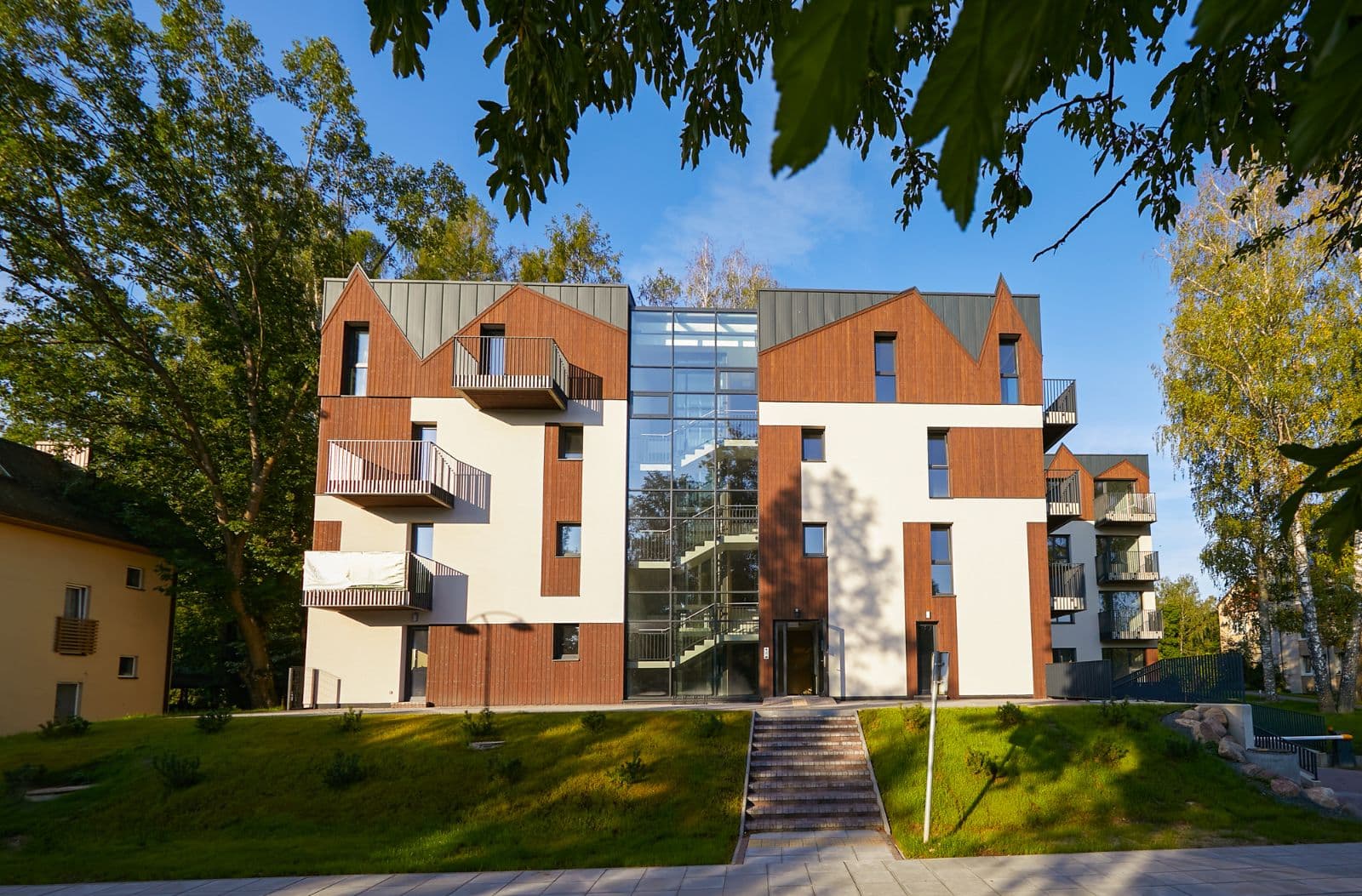
At the coast, moisture, UV, and wind resistance matter most. Charred wood reduces micro-cracking and needs less frequent refresh.
Larch often has higher density, making it better suited for coastal conditions.
Regular oil refresh helps retain color and protection against salt.
Ventilated installation and proper water runoff are essential.
For coastal projects, darker finishes often mask natural changes better.
Avoid horizontal details where water can pool.
The better the installation, the less maintenance you need later.
Salt particles act as a mild abrasive, so protective oil becomes even more important.
We recommend stainless steel fasteners to avoid corrosion.
At facade junctions, plan extra water runoff solutions.
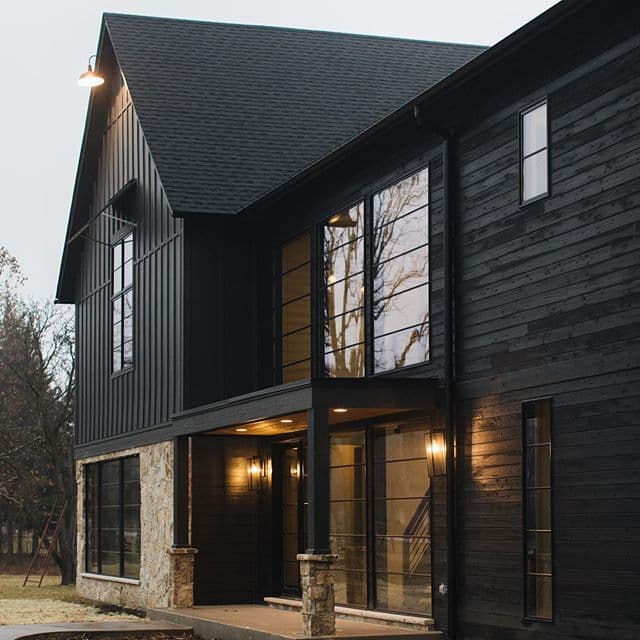
At the coast, materials must be resilient and beautiful-charred wood delivers both.
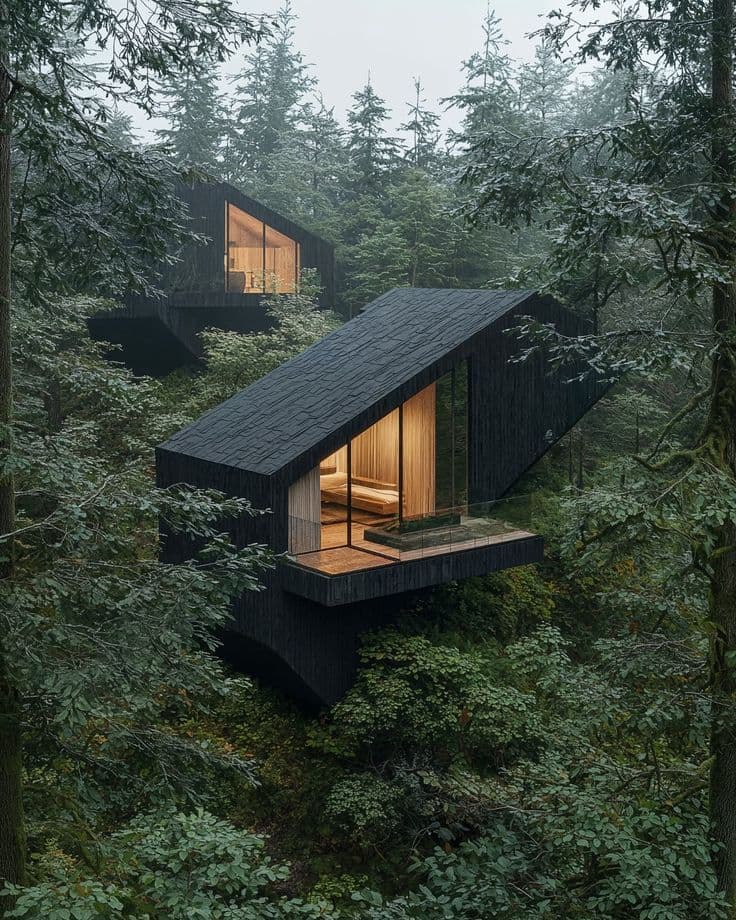
Salt air and wind challenge facades. Here is why Yakisugi is often chosen for coastal architecture.
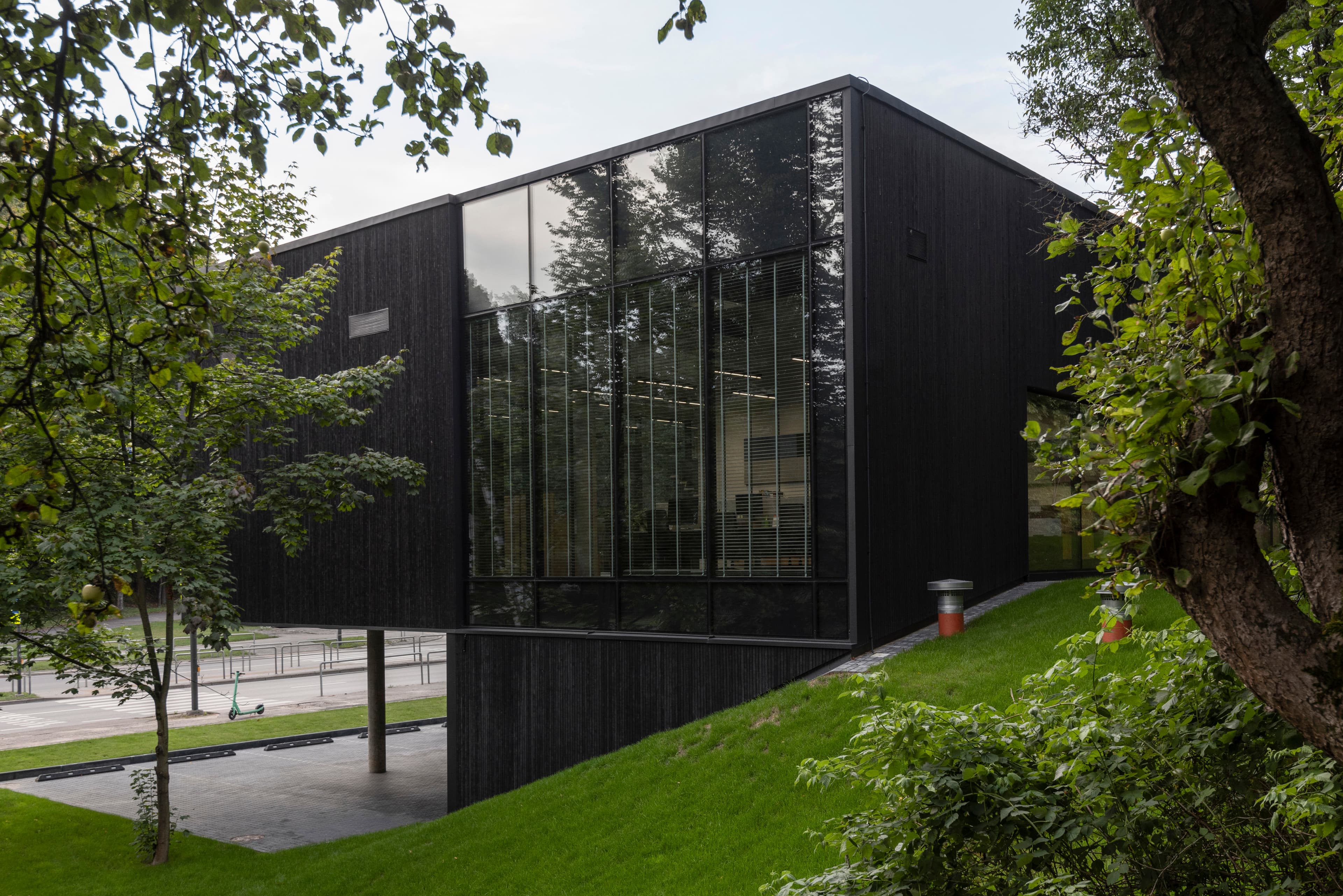
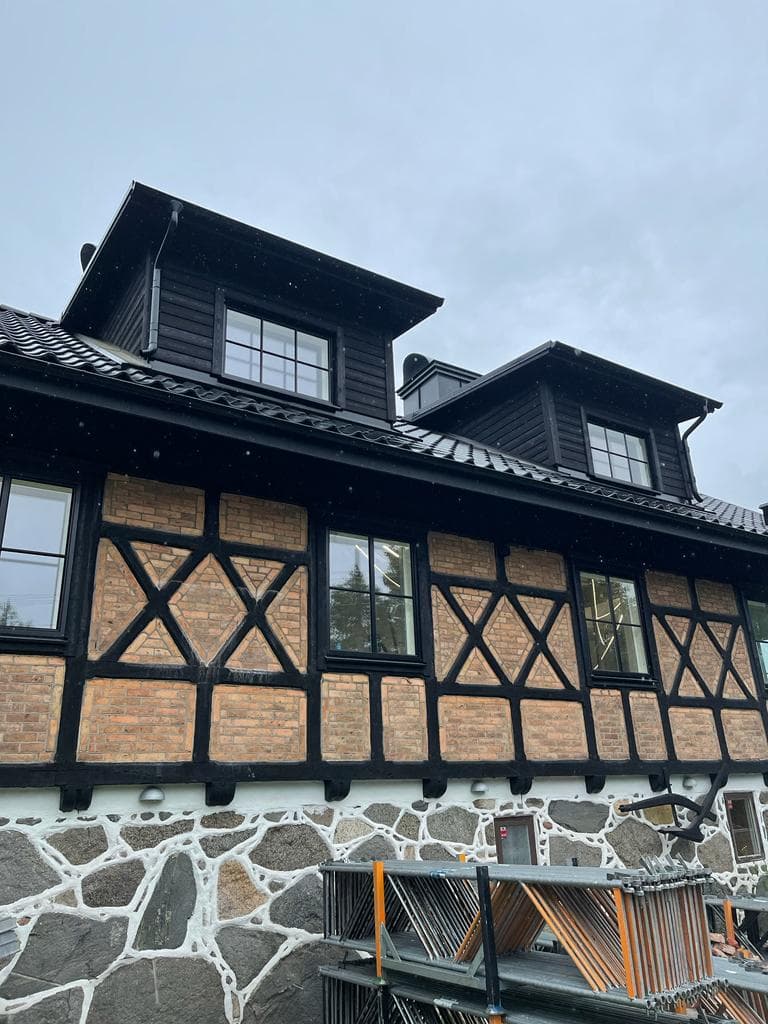
Planning a coastal project? Let us recommend the right species and finish.
Related articles
View all