The Art of Burning: Charred Wood for Facades, Terraces, and Interiors
.webp&w=3840&q=75)
.webp&w=3840&q=75)
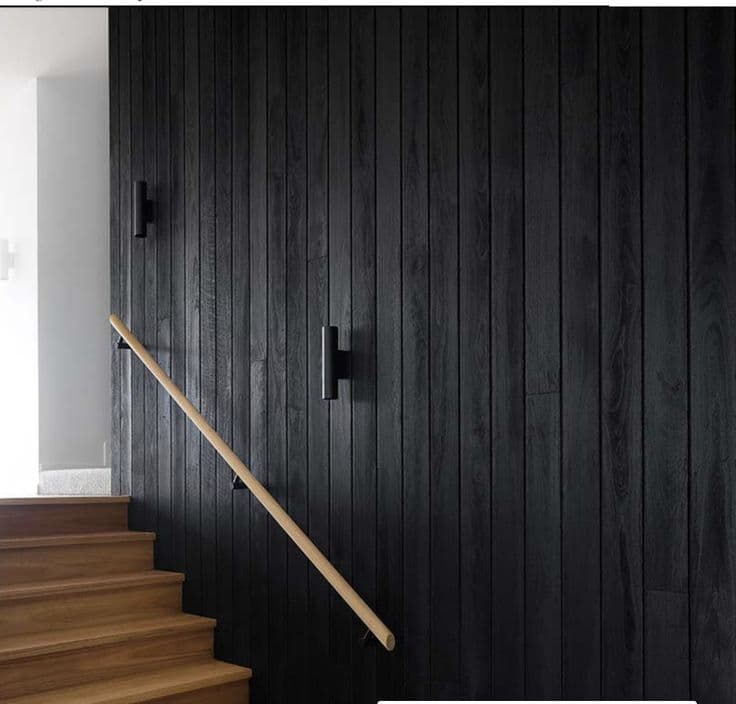
Charred wood is not just about looks. Properly treated surfaces become more resistant to moisture, UV exposure, and pests, so facades and terraces keep their strength longer. This traditional Japanese method, known as Shou Sugi Ban or Yakisugi, has been used for centuries to protect wooden structures. In modern architecture, it is becoming increasingly popular due to its unique aesthetic qualities and durability.
The Shou Sugi Ban technique originated in ancient Japan, where wood was charred over open flames to protect it from moisture, insects, and fire. This method creates a natural carbon layer that acts as a barrier, blocking moisture and harmful organisms. Today, this technique is used not only for practical purposes but also for aesthetic appeal-creating deep black or brown surfaces with unique grain patterns.
Charred wood offers numerous benefits that make it an ideal choice for facades, terraces, and interiors. First, it is highly weather-resistant-the carbon layer reduces moisture absorption and protects against UV damage. Second, this wood is durable: a properly maintained surface can last for decades without significant changes. Third, charred wood is natural and eco-friendly-it does not require chemical preservatives that can harm the environment.
Several charred wood production techniques exist, each providing a different aesthetic and functional result. The classic Shou Sugi Ban method involves charring wood over an open flame, after which the surface is brushed to remove the weaker carbon layer and reveal deeper grain lines. Another popular technique is "Yaki-sugi" with controlled intensity, where wood is charred at different temperature levels.
Charring closes the wood pores and densifies the surface. This reduces water absorption and simplifies maintenance. The carbon layer formed during the charring process acts as a natural barrier against moisture, fungi, and pests. This process also improves wood fire resistance, as the carbonized surface burns slower than untreated wood.
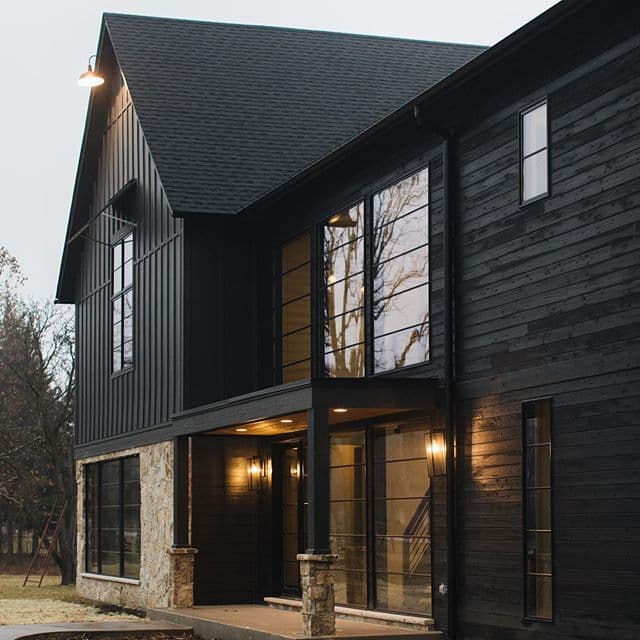
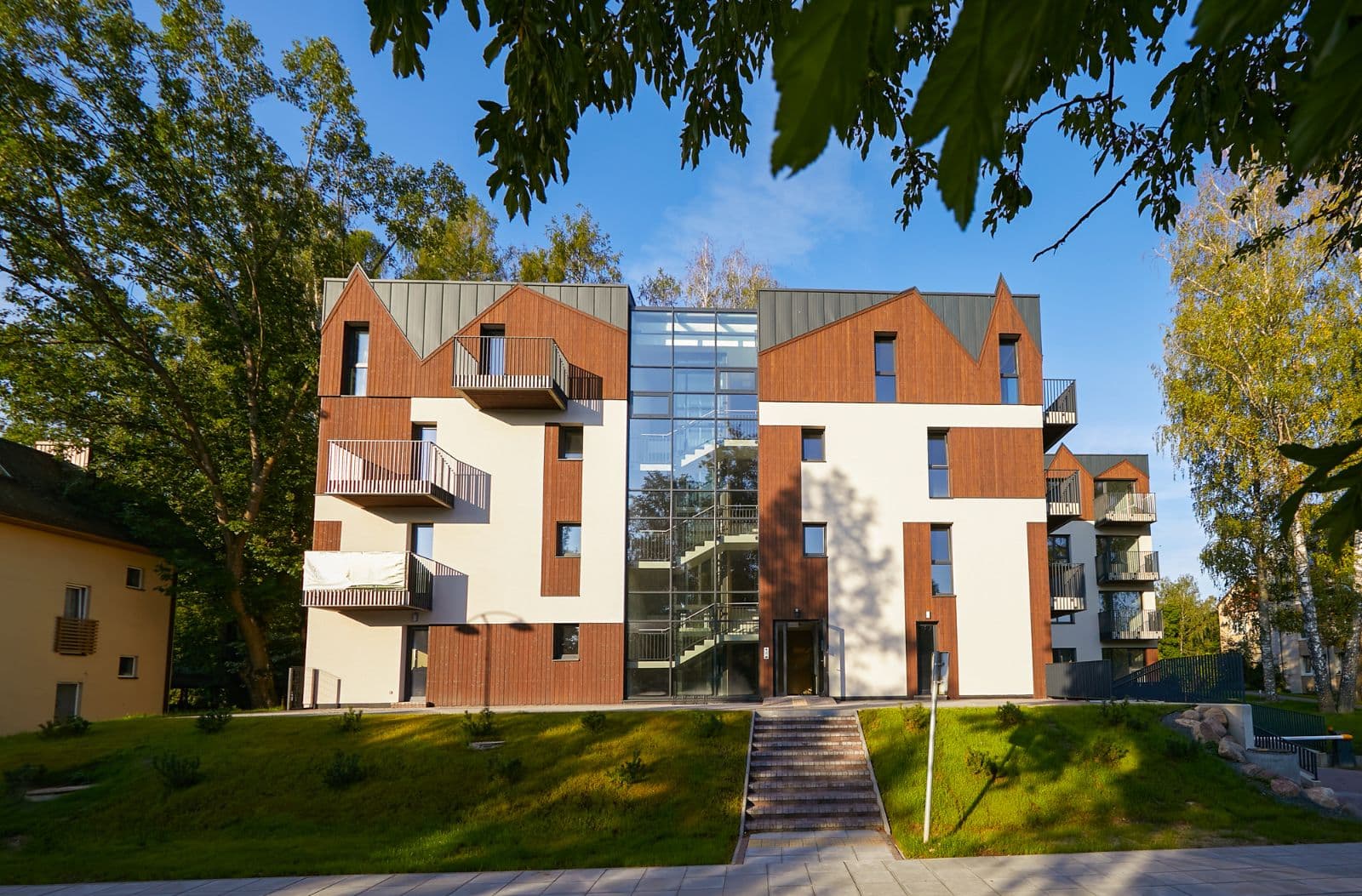
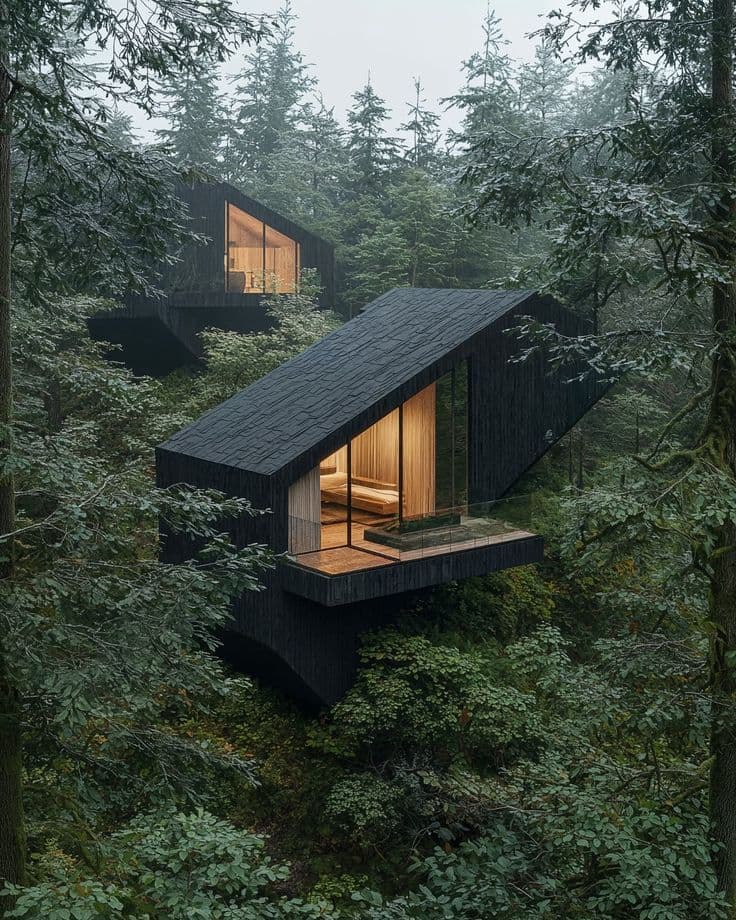
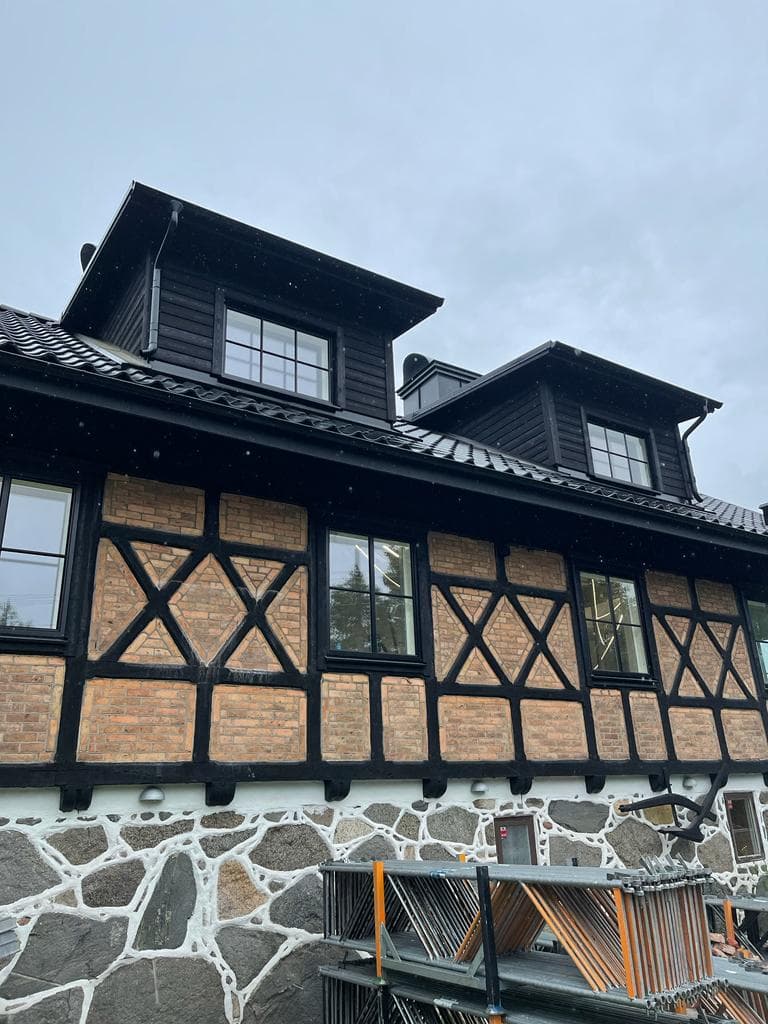
Ventilated facades, terraces, feature walls, and details where depth, texture, and contrast matter. Charred wood is ideal for modern architecture, where minimalist solutions are combined with natural materials. Facades with charred wood cladding create a strong visual accent and stand out from other buildings.
Share the project location, preferred profile, and color references. This helps us propose the best solution and pricing. It is important to specify the facade or terrace area, wood species preferences (spruce, pine, larch), and charring intensity. If you have visual examples or references, let us know-this will help accurately select the right finish.
Charred wood gives architecture a sense of weight: dark tones emphasize form, while brushed textures highlight its natural origin. It fits both minimalist and traditional compositions. Modern architecture increasingly chooses natural materials that not only look beautiful but also meet sustainability principles. Charred wood is one such solution-it is eco-friendly, durable, and aesthetically appealing.
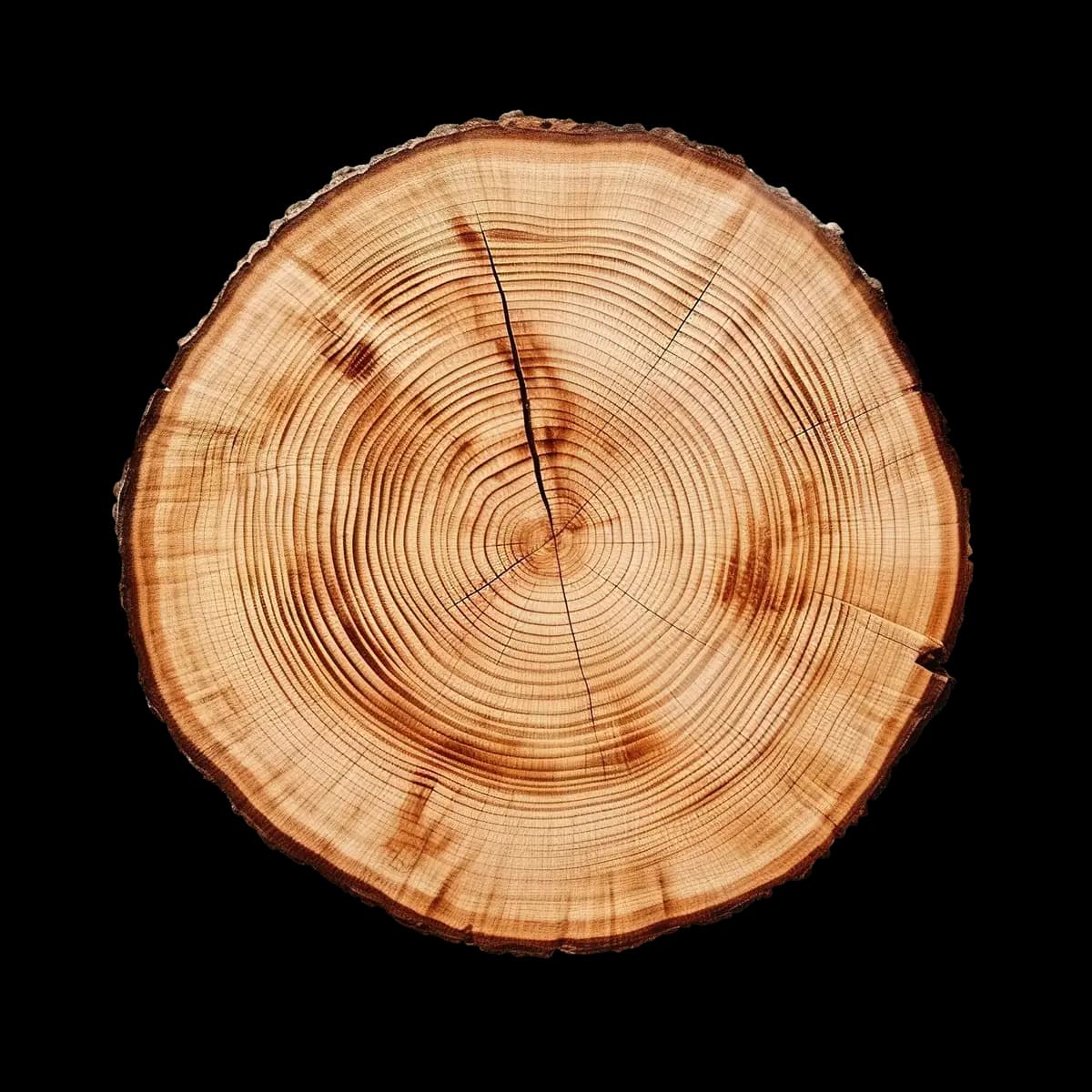
The uniqueness of charred wood lies in its texture and color. Each board is unique because grain patterns and charring intensity can vary. This allows creating an individual facade or terrace that has no analogues. Moreover, charred wood pairs well with various other materials-concrete, stone, glass, steel.
When choosing a finish, consider sun exposure and moisture. Heavily charred boards are darker, while lightly charred ones read warmer and softer. It is also important to consider climatic factors: coastal areas recommend darker finishes and denser wood (larch), while continental locations may suit softer spruce or pine.
If you want a unique aesthetic, mix profiles or orientations. This creates rhythm and distinctive shadow play. For example, horizontally mounted boards make the facade visually wider, while vertical ones make it taller. You can also combine boards of different widths to create dynamic rhythm.
It is important not to forget the technical aspects: proper installation is key to long service life. Ventilation gaps must be ensured between boards and the substrate so moisture can evaporate freely. Corrosion-resistant fasteners must also be used-stainless steel or galvanized metal.
Before choosing a tone, view samples at different times of day-morning and evening light reveal different shades.
Natural darkening over time is not a defect-it is a patina that adds character to the facade.
If you plan to pair wood with metal or glass, detail the junctions early so the wood can breathe.
Charred wood is one of the few finishes that feels both modern and timeless at once.
Shou Sugi Ban blends aesthetics with protection. This article shows how charred wood adds character and durability to both modern and classic projects.
Ready to use charred wood in your project? Contact us for samples and a tailored offer.
Related articles
View all