Yakisugi vs Thermowood: Which Facade Wins?
.webp&w=3840&q=75)
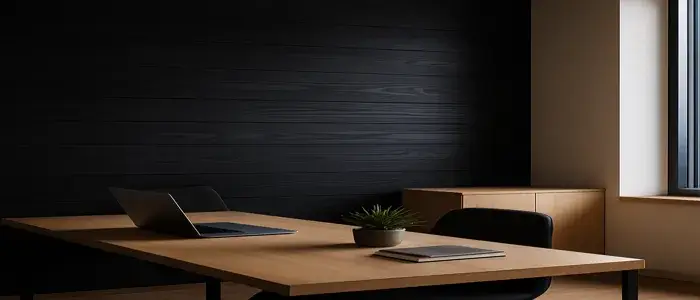
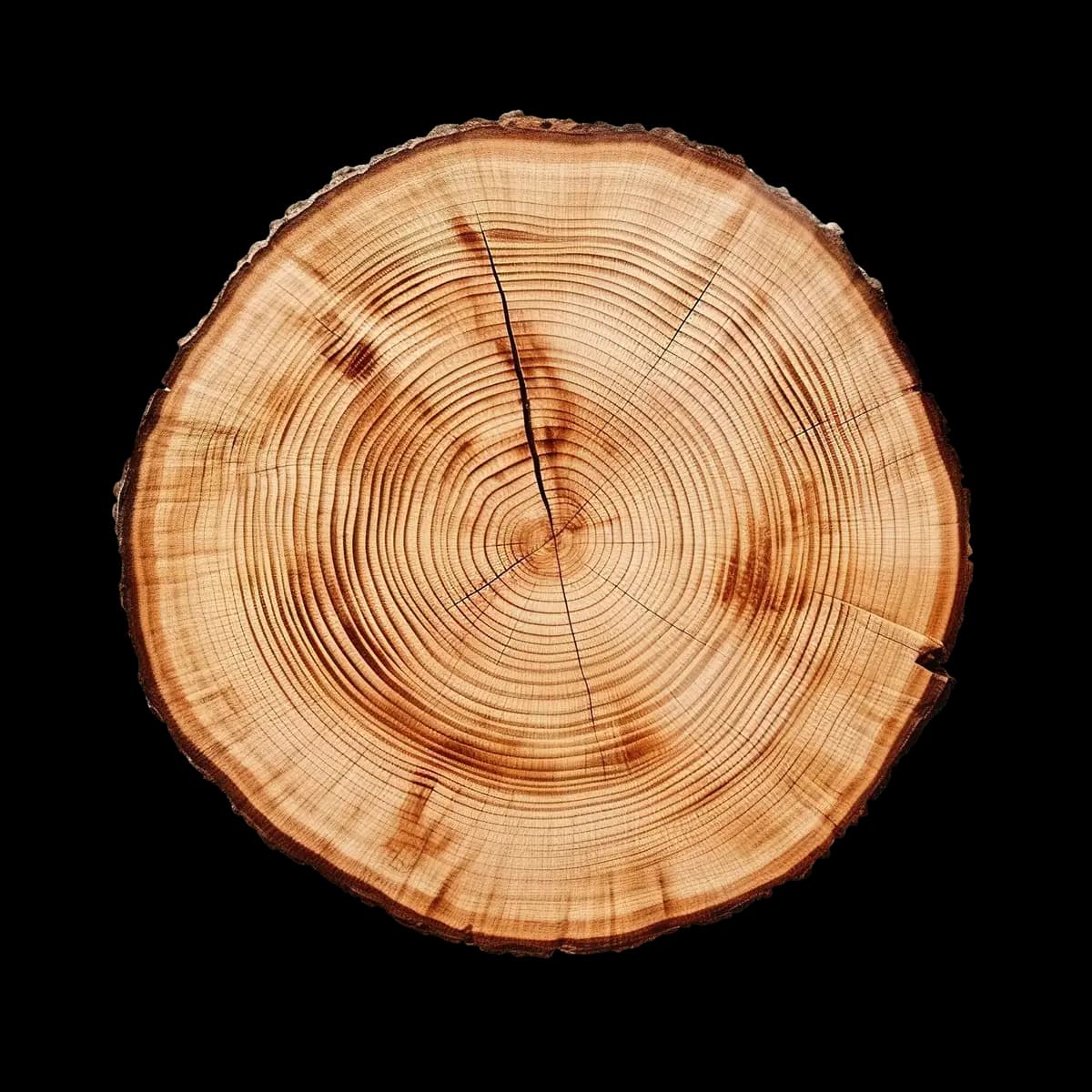
Thermowood stabilizes fibers with heat, while Yakisugi creates a protective carbon layer. Both extend lifespan, but the visual effect differs.
Yakisugi resists fire and UV naturally, while thermowood performs well in humid zones. Exposure conditions should drive the decision.
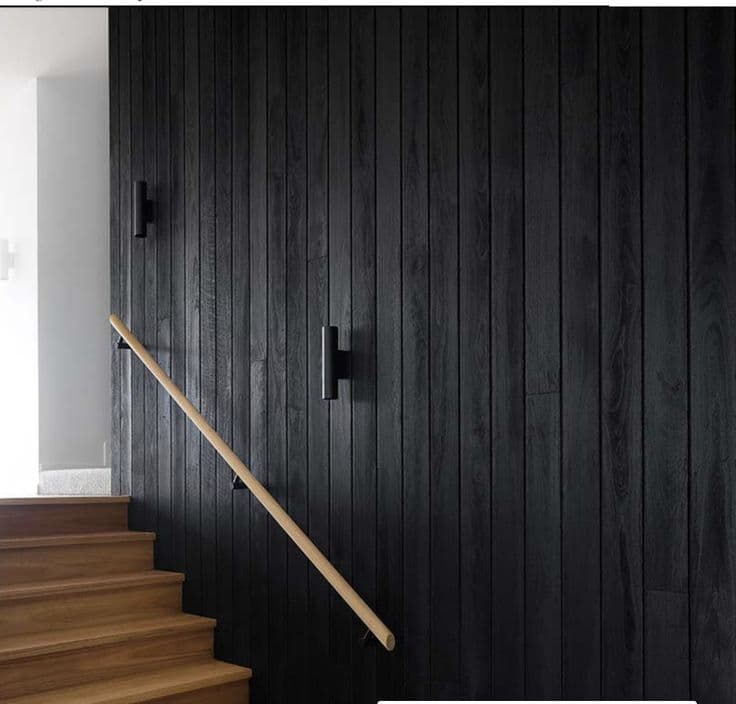
Yakisugi offers a deep black texture, thermowood leans warm caramel. Both can be oiled for extra protection.
Thermowood is often cheaper, while Yakisugi needs fewer refresh cycles. Compare lifecycle cost, not just the initial budget.
First define the goal: bold contrast or warm natural tone. Yakisugi is the choice when you want an unmistakable character.
For south-facing or coastal facades, maintenance schedules matter. Yakisugi typically holds its tone longer.
When selecting species (spruce or larch), consider profile options too. Profiles change the overall visual rhythm.
Consider not only the upfront price but also how often and how long refreshes will take.
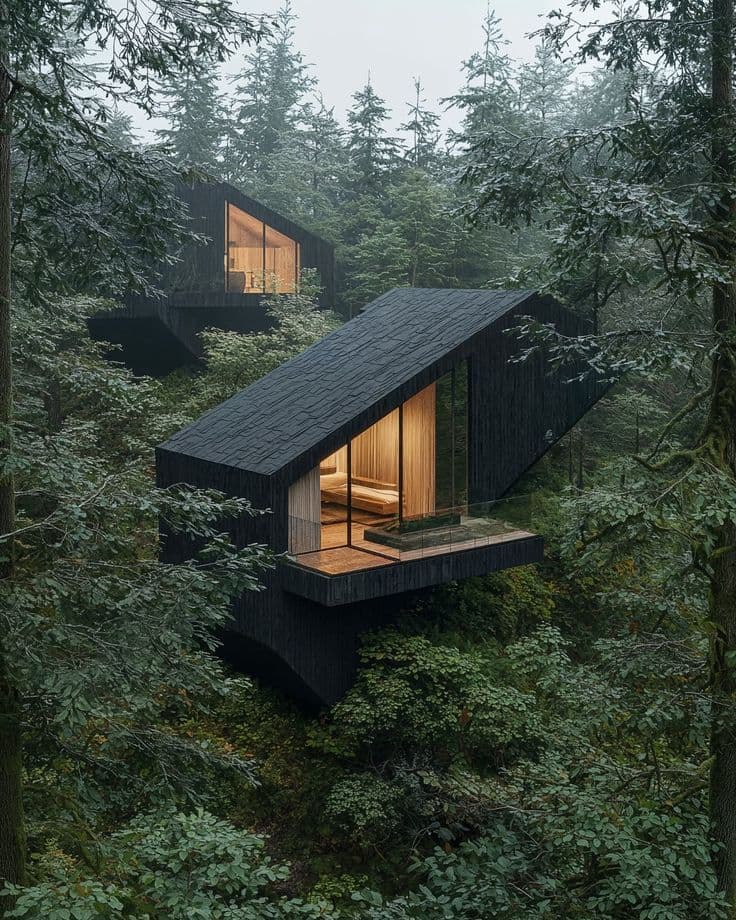
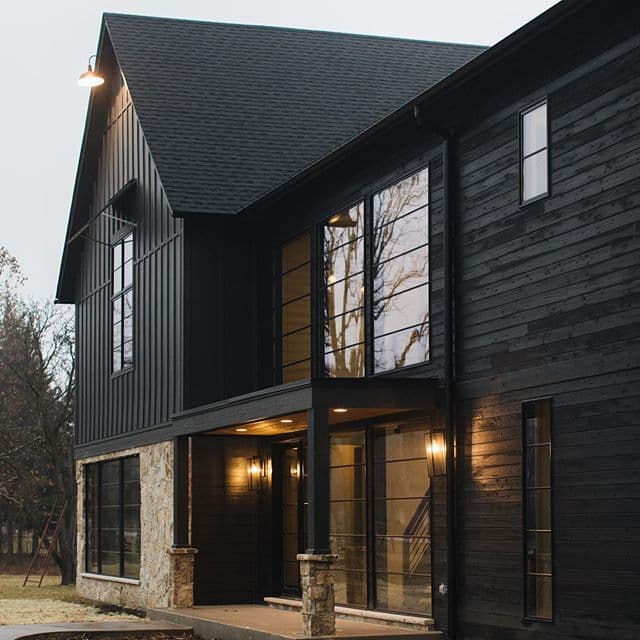
If you want a very dark facade, Yakisugi delivers a deeper tone without paint.
Thermowood is a strong fit when you want a warm hue and minimal texture.
If you want standout aesthetics and lower maintenance, Yakisugi often becomes the smarter investment.
Two leading facade technologies offer different benefits. We compare durability, maintenance, and aesthetics.
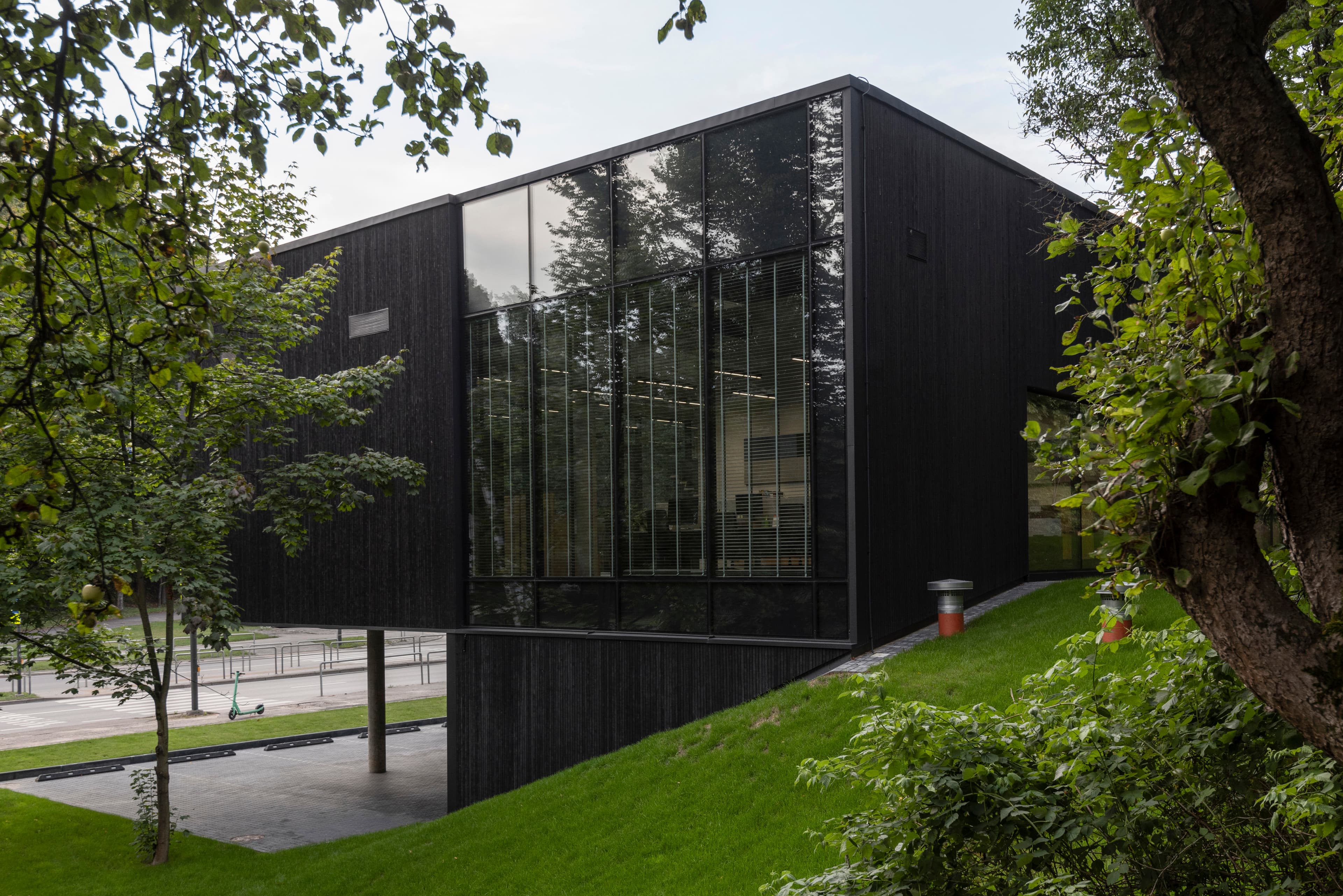
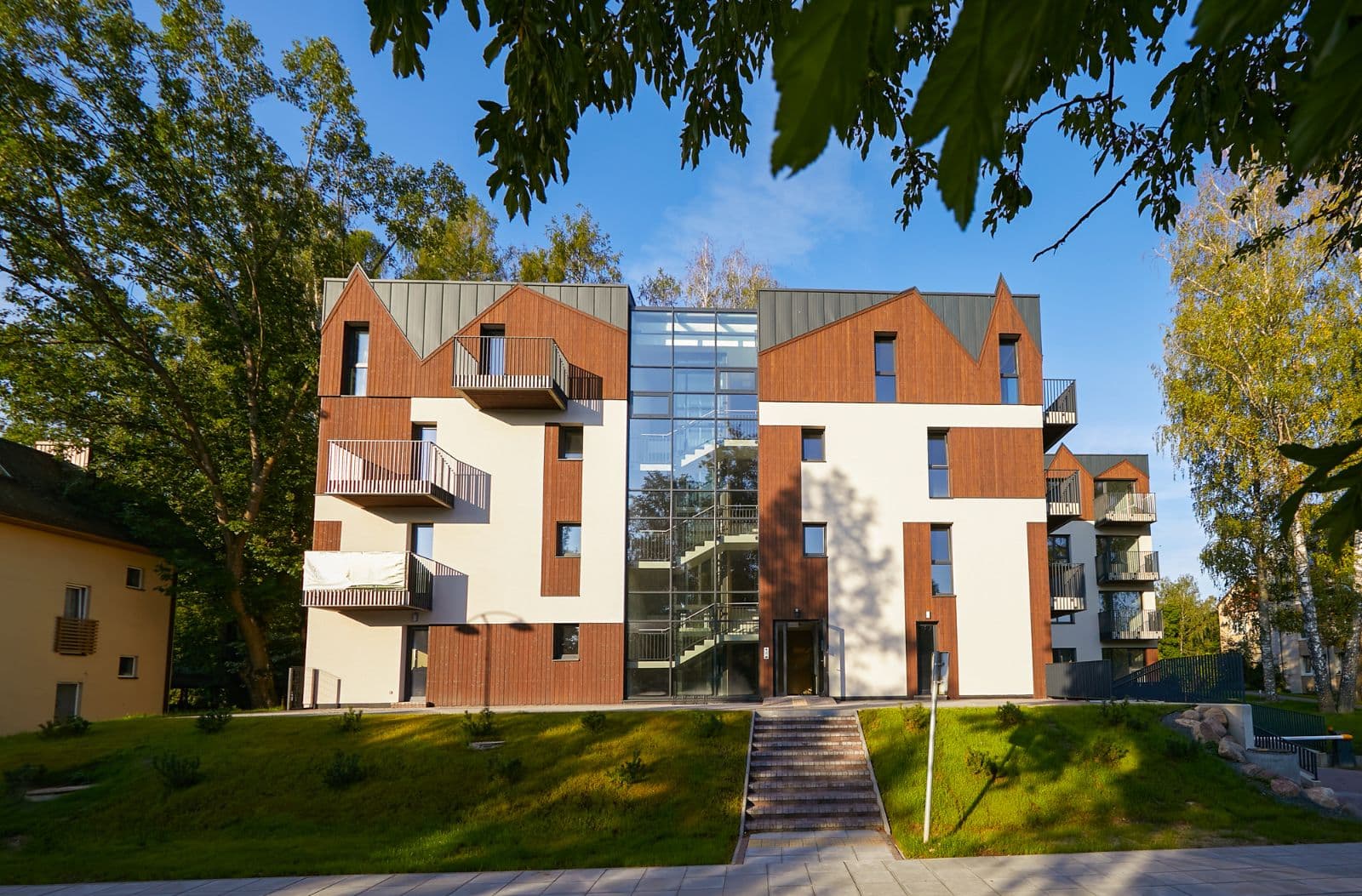
Need a comparison for your project? Share your facade visuals and we will recommend the best fit.
Related articles
View all